
How to Propagate Succulents: Every Method, Explained
Turn one succulent into dozens — for free. There are four ways to do it, and the right one depends on your plant. This hub walks through leaves, stem cuttings, offsets and division, plus the one drying step that decides success or rot.
The Four Methods at a Glance
Each method suits a different plant and a different level of patience. Start here, then dive into the full guide for your pick.
| Method | Best for | Difficulty | Time to new plant |
|---|---|---|---|
| Leaves | Fleshy-leaved types (Echeveria, Sedum) | Easy | 6–12+ weeks |
| Stem cuttings | Stemmed/bushy types, leggy plants | Easy | 3–6 weeks |
| Offsets / pups | Clumping types (Aloe, Haworthia, Sempervivum) | Very easy | Instant plant, roots in weeks |
| Division | Multi-crown clumps | Easy | Instant |
Fastest and most reliable? Offsets and cuttings. Most plants from one parent? Leaves.
Which Method for Your Plant
Genus decides what works. The single most common failure is using the wrong method for the plant — for example, trying to propagate an Aeonium from a leaf, which never works.
| If you have… | Use… | Avoid |
|---|---|---|
| Echeveria | Leaves or cuttings | — |
| Sedum / Sempervivum | Leaves, cuttings or offsets | — |
| Aeonium | Stem cuttings only | Leaves (won't root) |
| Aloe / Haworthia / Gasteria | Offsets (pups) | Leaves (rarely work) |
| Jade (Crassula) | Leaves or cuttings | — |
| Trailing (String of Pearls) | Stem cuttings | Single leaves |
Not sure? Fleshy, easily-detached leaves usually propagate from leaves; woody or single-stemmed plants need cuttings or pups.
The One Step That Decides Everything: Callusing
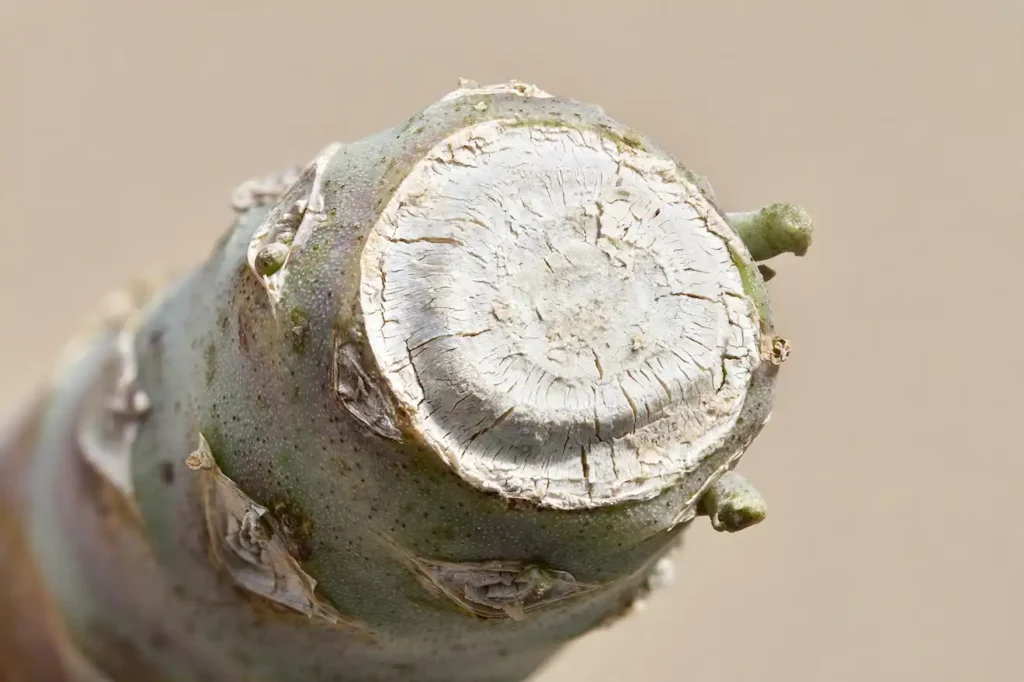
Whatever method you use, let the leaf or cutting dry out for 2–4 days first in a warm, shaded, airy spot until the cut end scabs over. Skip this and the fresh wound absorbs water the moment it hits soil — and rots. This single step separates thriving props from mushy failures.
Then use gritty, fast-draining mix. If you don’t have any, make a batch with our DIY succulent soil recipe.
Method 1: Propagating from Leaves
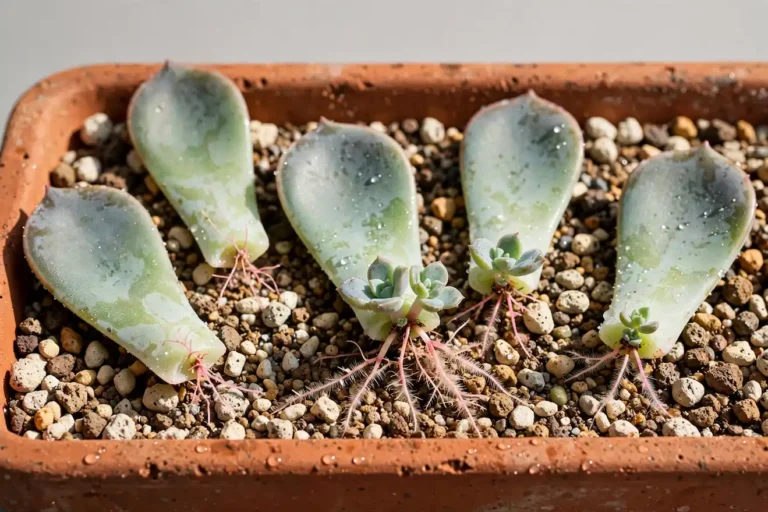
The classic. Gently twist a whole, healthy leaf off the stem — a clean pull with the base intact, never a partial tear. Let it callus, then lay it on top of gritty soil (don’t bury it) and mist when dry. Roots and a tiny rosette appear at the base over several weeks.
Best for Echeveria, Sedum and Jade. Full walkthrough with photos: propagating succulents from leaves.
Method 2: Stem Cuttings
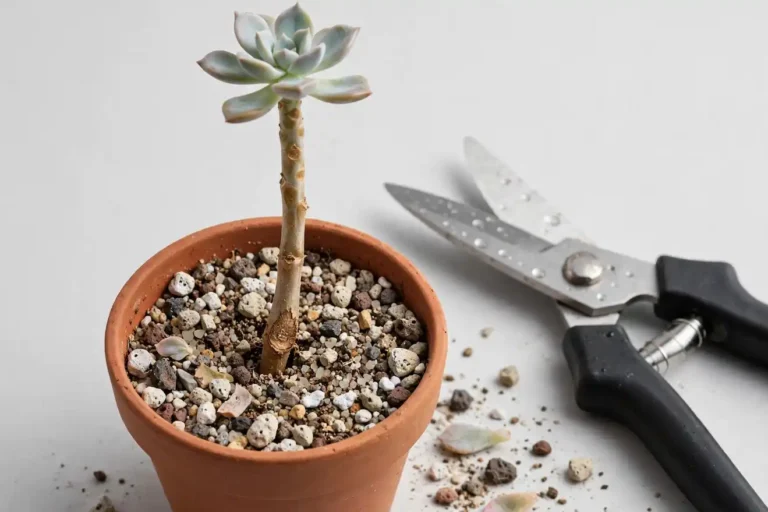
Fastest route to a full-size plant, and the fix for a leggy, stretched succulent. With clean, disinfected shears, cut just above a leaf at a 45° angle — a 2–3 inch tip with a few leaves. Strip the lowest leaves, callus for a few days, then plant an inch deep in gritty mix.
Best for stemmed and trailing types, and the only method for Aeoniums. Full guide: propagating from cuttings.
Method 3: Offsets (Pups)
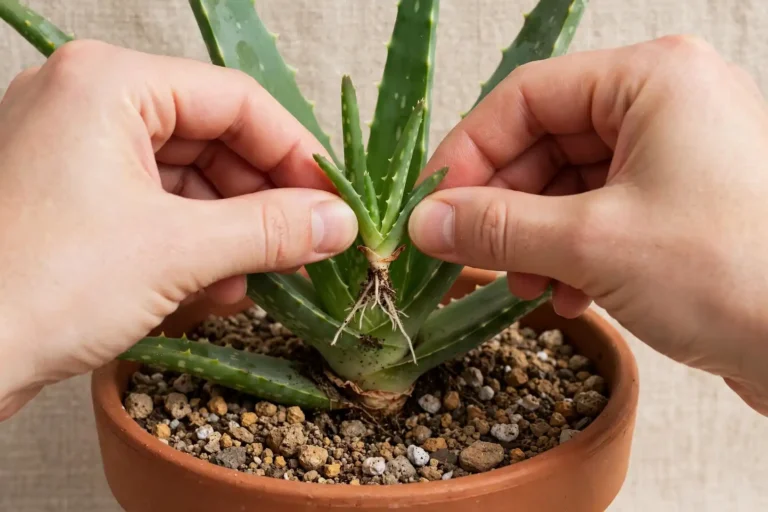
The easiest of all. Many succulents — Aloe, Haworthia, Sempervivum — grow baby plants (offsets or “pups”) around the base. Simply separate a pup with a bit of root attached, let any cut callus briefly, and pot it up. You start with a real plant, not a leaf, so success is near-guaranteed.
Method 4: Division
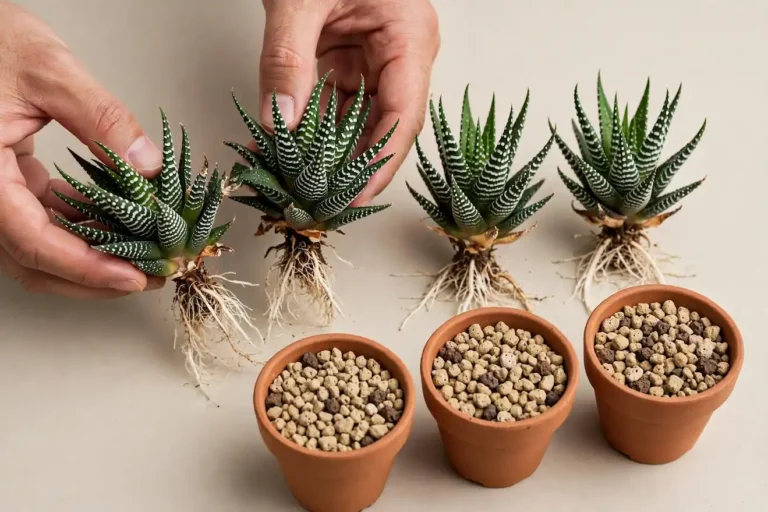
For clumps with several crowns sharing one pot, gently pull the clump apart into separate rooted plants and repot each. Instant, reliable, and a good moment to refresh old soil.
Soil vs. Water vs. Dry Propagation
| Approach | How | Verdict |
|---|---|---|
| Soil (standard) | Callused leaf/cutting on gritty mix | Most reliable — matches their nature |
| Water | Cutting suspended above water in a jar | Fast roots, but water roots adapt poorly to soil |
| Dry / air | Rooting in open air, no medium | Lowest rot risk; slower |
Water propagation is popular for the visuals, but soil gives sturdier long-term plants. Deep dive: propagating succulents in water.
What to Expect (and When)
Most “my propagation failed” panic is just impatience. Here’s the real timeline for leaf props:
| Stage | When | What you'll see |
|---|---|---|
| Callus | Days 2–4 | Dry, scabbed cut end |
| First roots | Weeks 2–4 | Tiny pink roots at the base |
| Baby rosette | Weeks 4–8 | A miniature plant forming |
| Parent leaf shrivels | Weeks 8–12 | Original leaf dries up — this is normal, don't pull it early |
| Independent plant | 3+ months | Ready to pot on its own |
Cuttings and offsets move faster. Patience is the main ingredient.
Why Propagation Fails
- Skipping callusing — the cut rots in wet soil
- Using a partial or torn leaf instead of a clean pull
- Overwatering — props need only occasional misting
- Too little light — babies stretch before they establish
- Wrong method for the plant (e.g. leaves on an Aeonium)
- Giving up too early — the parent leaf shriveling is success, not failure
Troubleshooting each of these in detail: why your succulent isn’t rooting.
The Best Time to Propagate
Propagate during the active growing season — spring through early autumn — when plants root fastest. You can propagate year-round, but expect lower success and slower roots in winter unless you add a grow light and gentle warmth.
Succulent Propagation FAQ
Give Your New Plants the Right Start
Props live or die on soil and watering. Get both right and your babies will thrive.
Part of the Succulent Care hub